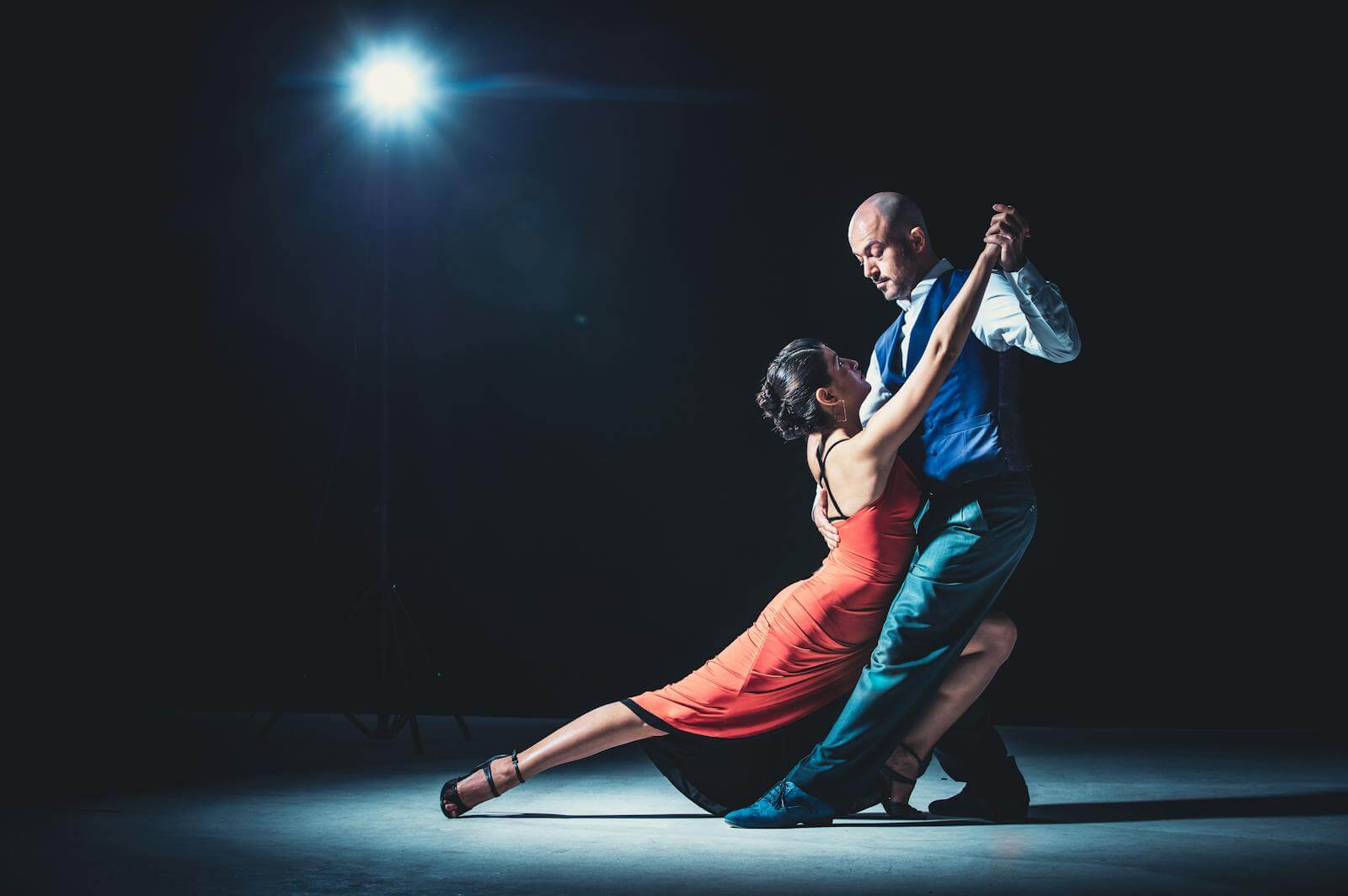
Salsa, bachata, and reggaeton all fill the same dance floors, but they don’t blend together in the same way at all. Tempo, structure, instruments, and dancers’ expectations: each style has its own rules. Knowing them is the key to seamlessly transitioning between the three during a Latin-themed night without losing the audience.
Salsa
The Tempo
Salsa is fast: songs are typically danced to at a tempo of between 160 and 220 BPM. Many classics were recorded with live musicians, without a metronome, and their tempo may vary slightly throughout the song.
The Structure
A salsa song often follows a specific structure: an introduction, sung verses, then a more intense section where the singer improvises in dialogue with the chorus, followed by instrumental passages in which the brass and percussion build in intensity. Everything is based on the clave, the rhythmic pattern that guides the musicians and dancers.
How this affects the mix
- Follow the phrases: the dancers count the beats and follow the clave.
- Opt for short transitions or clean cuts rather than long mixes, which are often difficult to pull off with varying tempos.
- Check your beatgrids in Serato DJ Pro before the party.
Bachata
The Tempo
Slower than salsa, bachata typically ranges from 120 to 140 BPM, with variations depending on whether it is traditional, modern, or sensual bachata.
The Structure
The lead guitar (the requinto), the bass, and the percussion (bongos and güira) define its identity. The rhythm is steady, and the dance beat is very clear, in four-beat time.
How this affects the mix
- Between bachata tracks, long mixes work well, especially with modern versions that have a steady tempo.
- To transition from bachata to salsa or reggaeton, an "echo out" or a clean cut at the end of a phrase is more reliable than a blend.
- Bachata is perfect for taking a breather after an intense workout.
Reggaeton
The Tempo
Reggaeton typically ranges from 85 to 100 BPM. It is built on the dembow rhythm, an instantly recognizable bass drum and snare drum pattern inherited from dancehall.
The Structure
Produced in a studio, reggaeton has a perfectly steady tempo and a consistent structure: intro, verses, choruses, often with rhythmic intros and outros designed for DJs.
How this affects the mix
- This is the easiest style to mix with itself: long mixes, bass adjustments with the EQ, and acapellas.
- It bridges the gap between hip-hop, dancehall, and Afrobeats, which have similar tempos.
- With salsa, go for half-tempo: a salsa track around 180 BPM matches a reggaeton track at 90 BPM.
Comparison Chart
| Style | Usual tempo | Basic Rhythm | Recommended Transition |
|---|---|---|---|
| Salsa | 160 to 220 BPM | Clave | Pause at the end of a sentence, half-tempo |
| Bachata | 120 to 140 BPM | Requinto, bongo, güira | A long mix of bachatas, branching out into other styles |
| Reggaeton | 85 to 100 BPM | Dembow | Long mix, bass exchange, acapellas |
Do all three in one night
At my Latin dance nights, I often structure the set into blocks: bachata to set the mood, salsa to get the dancers’ energy up, reggaeton to open up the dance floor to everyone, and then back to salsa or bachata. Each transition between blocks happens at the end of a phrase, using a technique suited to both tempos.
Frequently Asked Questions
Can you mix bachata with reggaeton?
Their tempos and rhythms are too different for a long mix. A clean cut at the end of a phrase—or an echo-out—gives a much more natural result.
What should I wear for an early evening event?
Bachata and slower reggaeton are perfect for the warm-up: they set the mood without wearing out the dance floor before the night’s peak.
Want to dance to all three?
Come check them out at Latin’Soleil, my Latin-themed party with two distinct atmospheres: we start with salsa, bachata, and kizomba, then move on to the Latino Club, which features a new theme every time, along with dance performances and live music. Check out the upcoming dates or relive my parties through photos.