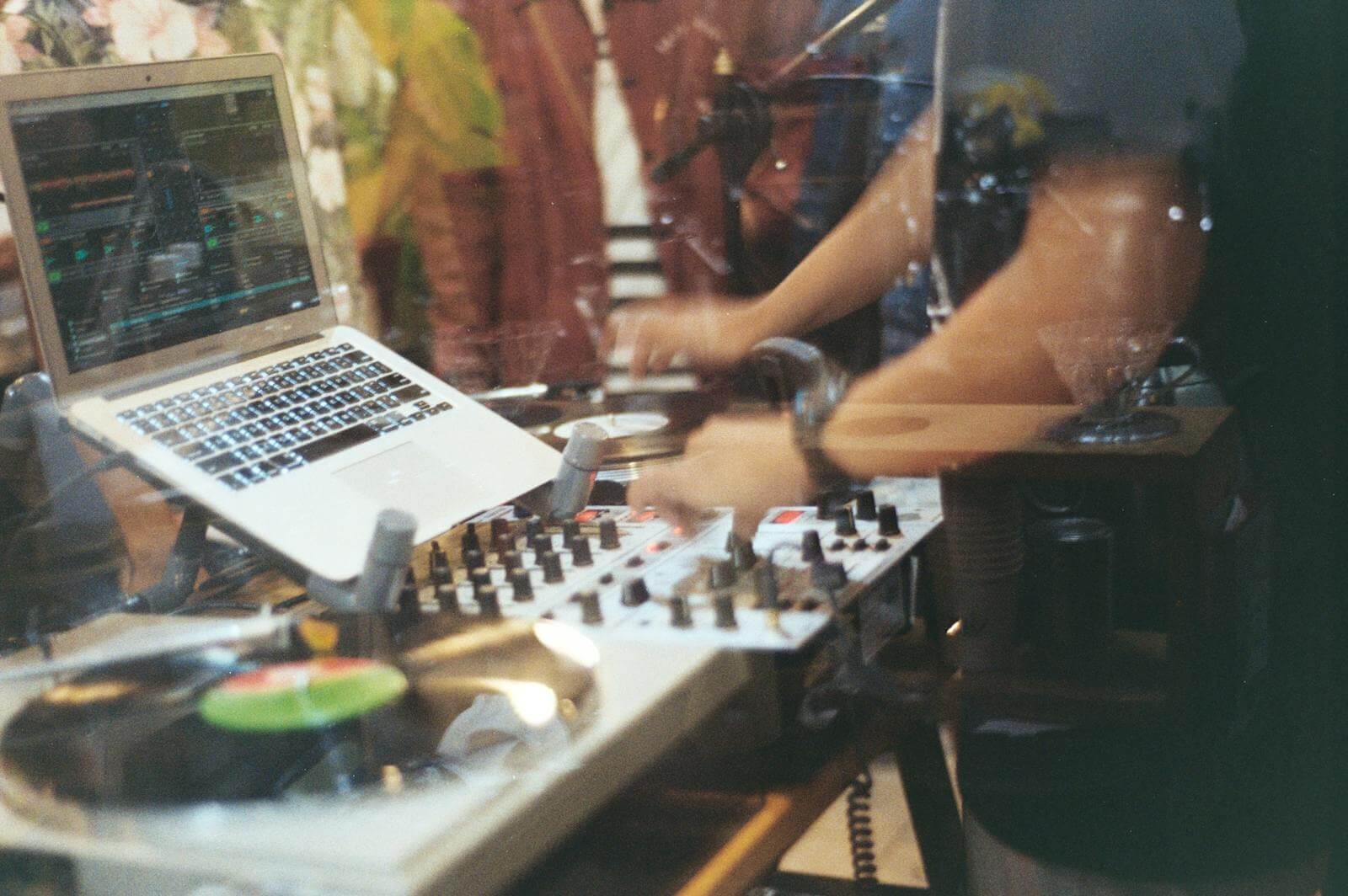

BPM and crossfading are the two cornerstones of mixing. The first determines whether two tracks can play together, and the second determines how they transition into one another. Here are my practical tips for mastering them, whether you're playing at a club, a festival, or a private event.
Part 1: Effective BPM Management
Check the software analysis
Serato DJ Pro analyzes the BPM of each track, but the analysis may show a tempo that’s twice or half the actual tempo, especially with salsa and reggaeton. Always listen to the track and correct the value if necessary. Also check the beatgrid: if it’s off, the sync and effects will be too.
Stay within your comfort zone
Between tracks, a difference of a few BPMs can be corrected using pitch without anyone noticing—especially with key lock enabled. Beyond about 5 to 8%, the track starts to lose its character: it’s better to switch to a different technique.
Think in half and double tempos
A 90 BPM hip-hop track and an 180 BPM salsa track share the same beat. This 1-to-2 ratio opens the door to spectacular transitions between styles. I go into detail about tempo and BPM in mixing Latin and urban genres.
Part 2: Mastering the Crossfade
Crossfader or channel faders?
Both are used to move from one track to the next, but not in the same way:
- Track faders offer the most control for long mixes: you can adjust the volume of each track independently. This is the most common method used in clubs.
- The crossfader moves from one side to the other with a single motion. It's ideal for quick cuts and scratching, which are typical of hip-hop and open format.
Adjust the crossfader curve
Most mixing consoles and controllers allow you to select the crossfader curve:
- Smooth transition: The two tracks blend together gradually. Ideal for long fades.
- "Cut" curve: The sound plays at full volume from the very first millimeters. Essential for scratching and sharp cuts.
Three Types of Crossfades You Should Know About
- The long fade: 16 or 32 beats long, perfect between two reggaeton tracks or two Afrobeats tracks at the same tempo. Combine it with an EQ bass swap to prevent the bass lines from piling up.
- The cut on the “one ”: a sharp break on the first beat of a phrase. Perfect for launching a familiar chorus or changing styles.
- Rhythmic cutting: several rapid, rhythmic cuts used to introduce a track in small bursts; widely used in hip-hop.
Part 3: The EQ, the Crossfade's Partner
A clean crossfade almost always involves the equalizer:
- Turn down the bass on the incoming track before playing it.
- Swap out the bass notes on the first beat of a phrase: remove the bass notes from the outgoing track and play the bass notes from the new track at the same time.
- Adjust the treble and midrange settings to prevent two voices or two melodies from overlapping too much.
My Tips for Making Quick Progress
- Practice in phrases of 8 or 16 beats: a transition should begin and end at the start of a phrase.
- Record your sets using Serato DJ Pro's recording feature and listen back to them with a fresh perspective.
- Vary your techniques: a sequence consisting solely of long transitions or solely of cuts becomes monotonous.
- Monitor your levels: the volume must remain stable before, during, and after the transition.
Frequently Asked Questions
Should you use the crossfader in a club?
Many club DJs leave it in the center and mix using the channel faders. But knowing how to use it is essential for cuts and scratching, especially in hip-hop and open-format sets.
What is the most common mistake?
Let the bass from both tracks play together during the transition. The sound gets muddy, and the track picks up on it right away.
Live
Come hear these transitions at my upcoming events, or relive my events through photos.